

Stapes Excellence Center

Two Pioneers. One Excellence Center.

Stapes Surgery in Dubai with Global Surgical Expertise.

Discover an international collaboration between Dr. Muaaz Tarabichi in Dubai and Dr. Robert Vincent in France, bringing together expertise in endoscopic and microscopic stapes surgery.

Their combined clinical experience supports the evaluation and treatment of otosclerosis, stapes fixation, and related conductive hearing loss, with an emphasis on surgical precision, innovation, and evidence-informed patient care.

Endoscopic Stapes Surgery Small-Fenestra Stapedotomy Otosclerosis Treatment
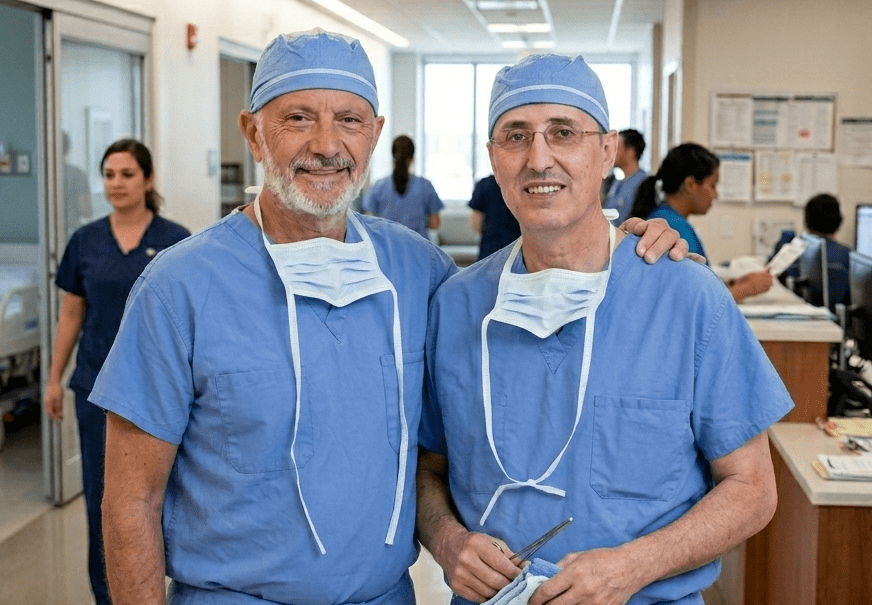
Dr. Muaaz Tarabichi and Dr. Robert Vincent
Upload the approved photograph of Dr. Muaaz Tarabichi and Dr. Robert Vincent.
SEC Tarabichi Stapes Excellence Center
Surgical Excellence

A Partnership of Global Surgical Pioneers.

The Stapes Excellence Center brings together Dr. Muaaz Tarabichi and Dr. Robert Vincent, two internationally recognized specialists in otology.

Together, they provide expertise in stapes surgery for patients with stapes fixation, conductive hearing loss, and related middle-ear conditions.

Dr. Muaaz Tarabichi

Endoscopic ear surgery, including early work presented to the American Otological Society in 1995.

Dr. Robert Vincent

Small-fenestra stapedotomy and microscopic stapes surgery for selected patients with otosclerosis.

Precision in Otology

Specialized Surgical Techniques

Explore established approaches to stapes surgery for otosclerosis, including endoscopic stapes surgery and small-fenestra stapedotomy.

01 / Endoscopic Approach

Endoscopic Stapedotomy

Endoscopic stapedotomy uses an endoscope to provide a detailed view of the middle-ear structures during surgery. Dr. Tarabichi's work in endoscopic ear surgery has contributed to the development and use of these techniques for selected patients with otosclerosis.

Explore Endoscopic Stapedotomy →
02 / Microscopic Approach

Small-Fenestra Stapedotomy

An established surgical technique used to improve sound transmission in appropriately selected patients with otosclerosis. The procedure involves creating a small opening in the stapes footplate and placing a prosthesis to help transmit sound through the middle ear.

Explore Small-Fenestra Stapedotomy →
03 / Surgical History

Surgical Evolution

Explore the evolution of stapes surgery, from early surgical developments to modern endoscopic and microscopic approaches. Discover how advances in visualization, surgical techniques, and clinical research have contributed to the treatment of conductive hearing loss.

Explore Surgical History →
Surgical Heritage & Innovation

The Evolution of Stapes Surgery

From the first mobilization techniques to today's endoscopic and small-fenestra approaches, explore milestones that shaped modern stapes surgery.

1952

Stapes Mobilization

Dr. Samuel Rosen's rediscovery of stapes mobilization marked an important development in surgical intervention for otosclerosis.

1956

The First Stapedectomy

Dr. John Shea Jr. performed the first successful stapedectomy, introducing techniques that contributed to auditory restoration.

1995

AOS Invited Lecture

The center's historical account identifies Dr. Muaaz Tarabichi's presentation of early endoscopic results to the American Otological Society.

1999

Endoscopic Pioneer

The center identifies this year as a milestone in Dr. Tarabichi's development and formalization of endoscopic techniques for middle-ear surgery.

Academic Research

Clinical Excellence & Publications

Explore research, surgical insights, and educational resources associated with Dr. Muaaz Tarabichi and Dr. Robert Vincent.

Featured Article

The Dual Pillars of Otology: How the Tarabichi–Vincent Affiliation...

A New Era in Otology: The Stapes Excellence Center. Learn about the collaboration between two specialists and their complementary expertise in modern ear surgery.

Article link pending verification
Referring Physicians

Frequently Asked Questions for Referring Physicians Referral...

A concise guide for ENT and audiology professionals on how to refer patients to the Stapes Excellence Center and submit relevant clinical records.

Article link pending verification
Patient Guide

Preparing for Your Stapes Procedure: A Patient Portal Guide

Step-by-step information about the patient assessment process, preparing relevant medical records, and getting ready for the next stage of care.

Article link pending verification
Patient Eligibility

No-Cost Eligibility Review

Submit your clinical findings through the approved patient review process for assessment by Dr. Tarabichi and Dr. Vincent to determine potential candidacy for stapes surgery.

Audiological Data

  • Pure Tone Audiometry (PTA)
  • Tympanometry & Reflexes
  • Speech Discrimination Scores
  • Bone Conduction Thresholds

Clinical Data Review

Request information about the approved patient eligibility and clinical records submission process.

Request Portal Access →

Medical History

  • Comprehensive Otologic History
  • Previous Ear Surgery Reports
  • HRCT Temporal Bone Imaging
  • Current Hearing Impairment Log
Patient Education

Frequently Asked Questions

What is stapedotomy?

Stapedotomy is a middle-ear surgical procedure commonly used to treat conductive hearing loss caused by otosclerosis. It involves creating a small opening in the fixed stapes footplate and placing a tiny prosthesis to help transmit sound to the inner ear.

What is otosclerosis?

Otosclerosis is a condition involving abnormal bone remodeling in the ear. When it affects the stapes, it can restrict the bone's movement and cause progressive conductive hearing loss.

What is the difference between stapedotomy and stapedectomy?

Stapedotomy creates a small opening in the stapes footplate, while stapedectomy involves removing part or all of the footplate. The appropriate procedure depends on the patient's condition and the surgeon's assessment.

How is endoscopic stapes surgery different from microscopic surgery?

Endoscopic stapes surgery uses a small camera to visualize the middle ear, while microscopic surgery uses an operating microscope. Both are established approaches, and the choice depends on clinical findings, anatomy, and surgical considerations.

Who may be eligible for stapes surgery?

Patients with conductive hearing loss associated with otosclerosis or stapes fixation may be considered for surgery. Eligibility is assessed using medical history, hearing tests, examination, and other investigations when indicated.

How long does recovery take after stapedotomy?

Recovery varies between patients. Many people gradually resume routine activities over the following weeks, but hearing improvement, temporary dizziness, activity restrictions, and follow-up needs depend on individual circumstances and the surgeon's guidance.

Can international patients request an evaluation?

The Stapes Excellence Center presents an international collaboration involving specialists in Dubai and France. International patients can contact the center to ask about the current eligibility review process and available arrangements.